
Plenary Lectures
Prof. Vikram S. Deshpande
University of Cambridge, UK
KEYWORDS: X-ray diffraction, High-speed tomography, Machine Learning.
There has been explosive growth in numerical, data-driven approaches to various problems in the mechanics of materials. These data-driven methods are data-hungry, but traditional measurement protocols are inherently data-poor. Consequently, most studies using these data-driven methods have relied on synthetic data. This dearth of measurement techniques presents opportunities to transform laboratory-based methods, making them better suited to emerging data-driven methodologies in mechanics. We first give a brief overview of emerging laboratory techniques that enable observations that were hitherto considered nearly impossible, at least in a laboratory setting. These methods include (i) dynamic tomography to enable 3D visualisation of high-speed deformations [1], (ii) digital volume correlation in nominally homogeneous materials [2], and (iii) democratising synchrotron technologies to allow the measurements of local stresses within statically indeterminate specimens via energy-dispersive diffraction measurements.
These and other new laboratory measurement methods provide new observations and large datasets. But how can they be used in the data-driven mechanics discovery of constitutive behaviour? Broadly, the constitutive model discovery approaches fall into two categories: (i) supervised models that require data in the form of stress-strain pairs and (ii) unsupervised models that require no stress data but only full-field displacement and global force data. Energy-dispersive measurements provide fully labelled stress-strain pairs for supervised constitutive model discovery. Using these measurements, we shall demonstrate the learning of the plasticity models for Ti64 from a single tensile test on a simple notched specimen. Remarkably, the model indicates that simple J2 plasticity is not sufficient to accurately model the plastic response of Ti64- while this is, of course, known in the literature, those inferences were obtained using multiple different complex specimens designed with significant a priori knowledge of the material response. These new measurement techniques offer the potential to quickly learn complex constitutive responses and may lead to the discovery of new physics.
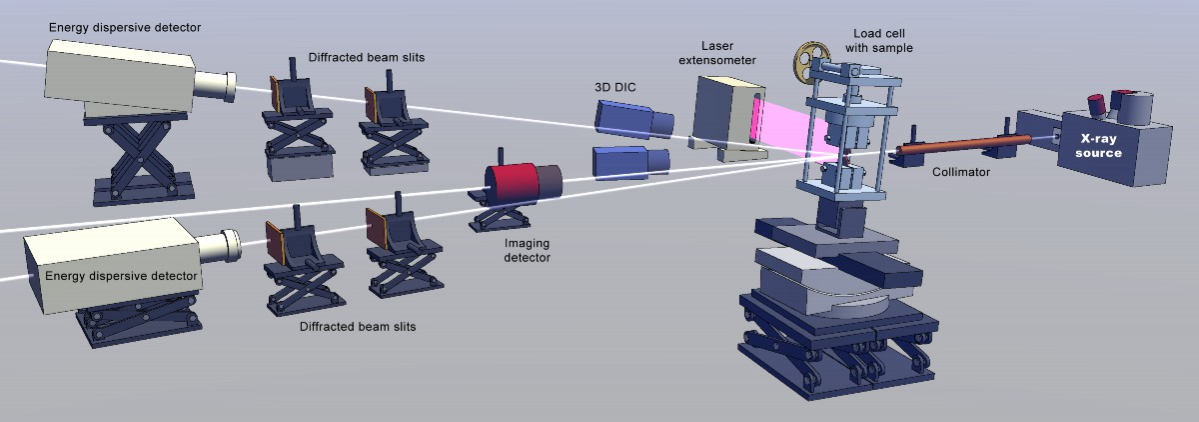
Figure 1. Democratisation of synchrotron-based X-ray diffraction for laboratory-scale property measurements
ACKNOWLEDGEMENT: Funding from the U.S. Defense Advanced Research Projects Agency (DARPA) Award HR0011-24-2-0333 is acknowledged.
- I. Grega, W. Whitney and V.S. Deshpande (2025), High-speed X-ray tomography for 4D imaging, Proceedings of the National Academy of Sciences, 122, e2521089122.
- Z. Wang, S. Das. A. Joshi, A.J.D. Shaikeea and V.S. Deshpande (2024), 3D observations provide striking findings in rubber elasticity, Proceedings of the National Academy of Sciences, 121 (24), e2404205121.
Vikram Deshpande is a professor of Materials Engineering at the University of Cambridge. He has also served on the faculty at the University of California, Santa Barbara and the Technical University of Eindhoven. Prof. Deshpande has worked primarily in experimental and theoretical solid mechanics and has written 300+ peer-reviewed journal articles with his students and collaborators. He is the editor-in-chief of the Journal of the Mechanics and Physics of Solids (JMPS). His recognitions include the 2020 Rodney Hill Prize in Solid Mechanics, the 2022 Prager Medal, the 2022 ASME Koiter Medal, the 2024 Bazant Medal ASCE, the 2025 EUROMECH solid mechanics prize and the 2025 ASME Nadai Medal. He has been elected Fellow of the Royal Society, London, the UK Royal Academy of Engineering, and an International Member of the US National Academy of Engineering (NAE).

Prof. Marc G.D. Geers
Eindhoven University of Technology, The Netherlands
The engineering design and analysis of high-tech systems calls for reliable and accurate methods that adequately capture the mechanics of the underlying constituting materials. This tends to be particularly complex for highly heterogeneous materials, for which a rich class of homogenization methods has been developed to condense all the small-scale fluctuations in an effective continuum that can be solved at the engineering level. Within this class, computational homogenization serves as a highly accurate two-scale coupling of complex nonlinear materials. Amongst others, this homogenization method has been successfully applied to mechanical, thermal and electromagnetic problems, but its application to metamaterials remains a challenge. Metamaterials are characterized by tailored microstructures that entail a dominant emergent effect at the macro-scale. This contribution focuses on the advanced homogenization and model reduction of dynamical metamaterials, leading to a micromorphic-like continuum.
Dynamical metamaterials, mitigating waves, are instrumental for inhibiting sound and vibration transmission in a targeted frequency range. As a point of departure, the original computational homogenization scheme applicable to elastic resonant acoustic metamaterials will be outlined [1]. Exploiting linearity of the problem, a closed form micromorphic continuum homogenization approach for this class of materials is obtained. The resulting dispersion spectra are shown to be accurately captured, which enables direct solutions of initial boundary value problems as required for engineering design problems at the macro-scale [2]. Next, the method will be extended to viscoelastic metamaterials, whereby the damping effects in the solid are modeled using the Kelvin-Voigt constitutive behavior [3,4]. Finally, a solid-fluid metamaterial is considered, for which an elastic Biot continuum is recovered at the macroscale with micromorphic enrichment variables representing the inertia of the local structure resonance.
- A. Sridhar, V.G. Kouznetsova, M.G.D. Geers, Homogenization of locally resonant acoustic metamaterials towards an emergent enriched continuum, Comp. Mech. 57, 423–435 (2016). https://doi.org/10.1007/S0045-7825(97)00218-1
- R. Liupekevicius, J.A.W. van Dommelen, M.G.D. Geers, V.G. Kouznetsova, An efficient multiscale method for subwavelength transient analysis of acoustic metamaterials, Phil. Trans. Royal Society A 382(2279), article 20230368 (2024).https://doi.org/10.1098/rsta.2023.0368
- R. Liupekevicius, J.A.W. van Dommelen, M.G.D. Geers, V.G. Kouznetsova, Transient computational homogenization of heterogeneous poroelastic media with local resonances, Int. Jnl. Num. Meth. Engng. Solids 125(18). https://doi.org/10.1002/nme.7505
- R. Liupekevicius, J.A.W. van Dommelen, M.G.D. Geers, V.G. Kouznetsova, Equivalent continuum for viscoelastic metamaterials, Comp. Meth. Appl. Mech. Engng. 445, article 118160 (2025). https://doi.org/10.1016/j.cma.2025.118160
Marc Geers is full professor in Mechanics of Materials at the Eindhoven University of Technology in the Netherlands since 2000. His research interests are in the field of micromechanics, multi-scale mechanics, damage mechanics and mechanics in miniaturization. He published more than 300 journal papers with a significant citation impact. He is the Editor-in-Chief of the European Journal of Mechanics A/Solids, Fellow of the European Mechanics Society, Fellow of the International Association for Computational Mechanics and member of the Royal Netherlands Academy of Arts and Sciences. He received an ERC Advanced Grant for his research on homogenization and metamaterials. He is the former President and now vice-president of the European Mechanics Society EUROMECH. In 2024, he received the Computational Mechanics Award from IACM and the Leadership in Excellence Award from his home university.
Prof. Stelios Kyriakides
University of Texas at Austin, USA
KEYWORDS: Foam Crushing, Quasi-static, Propagating Instability, Impact/Shock.
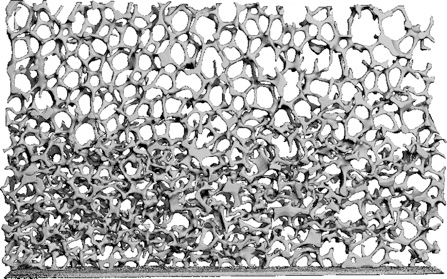
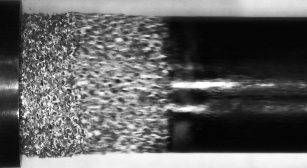
Lightweight cellular materials such as foams exhibit excellent energy absorption characteristics and are widely used for impact mitigation in a variety of applications. This lecture presents results from combined experimental and analytical efforts that investigate the crushing behavior of Al-alloy open-cell foams under quasi-static uniaxial and triaxial loadings and under impact. The foam microstructure is established using X-ray tomography including the cell and ligament morphology. The compressive force-displacement response exhibits an initial stiff branch, followed by an extended load plateau during which localized cell crushing progressively spreads throughout the specimen. When most of the cells are crushed the densified material stiffens again. Foam crushing is simulated using micromechanically accurate models. Skeletal random models generated from soap froth using the Surface Evolver software are dressed with solid to match the material distribution and relative density of actual foams. The ligaments are modeled as shear-deformable beams with variable cross sections discretized with beam elements in LS-DYNA, while the Al-alloy is modeled as elastic-plastic. Such models are shown to reproduce all aspects of quasi-static crushing faithfully, including the initiation of instability, its localization, the subsequent propagation and the densification stage. This modeling framework is used to crush model foams in a true triaxial loading apparatus. The recorded responses are shown to exhibit the same three-deformation regimes characterized by stress plateaus and localized crushing. The results of such discrete models are subsequently used to calibrate a pressure sensitive constitutive model with a partially softening material response. It is demonstrated that such a homogenized solid, introduced in finite element analyses of triaxial crushing, can reproduce the responses and localized crushing observed in the discrete models.
Under impact at velocities higher than 50 m/s, the foams develop nearly planar shocks that propagate at well-defined velocities, crushing the specimen. The shock-impact speed and the densification strain-impact speed representations of the Hugoniot were both extracted directly from high-speed images recorded during the impact. The compaction energy dissipation across the shock was found to increase with impact speed and to be significantly greater than the corresponding quasi-static one. Similar discrete foam models used in impact simulations are found to capture accurately the dynamic crushing behavior observed experimentally. That is, limited inertial effects are present below a critical speed, and shock formation above it. In the shock regime, the models reproduce the force acting at the two ends, the shock front velocity and energy absorbed.
Stelios Kyriakides received his undergraduate education at the University of Bristol, UK, and earned M.S. and Ph.D. degrees in Aeronautics from the California Institute of Technology, with a specialty in the mechanics of solids. He is Professor of Aerospace Engineering and Engineering Mechanics at The University of Texas at Austin, holds the John Webb Jennings Chair in Engineering, and is director of the Research Center for Mechanics of Solids, Structures and Materials. Kyriakides' major technical interests are in the mechanics of structures and materials, with an emphasis on instability of both structures and materials. His work is motivated by practical problems and usually involves combined experimental, analytical, and numerical efforts. He has approximately 300 publications, has co-authored two books, co-edited 5 books, and has lectured extensively in the US and internationally. He has pioneered propagating instabilities in structures such as offshore pipelines and in materials such as fiber composites, shape memory alloys, cellular materials, wood, Lüders banding in metals. He has made significant contributions to plastic instabilities and crushing of structures, plasticity, forming problems in manufacturing, localization and ductile failure of metals, the mechanical behavior of composites, etc. His service includes: chair of the Executive Committee of the Applied Mechanics Division-ASME, President of the American Academy of Mechanics (AAM), chair of the US National Committee of Theoretical and Applied Mechanics, and Editor-in-Chief of the International Journal of Solids and Structures. His recognitions include the NSF Presidential Young Investigator Award, the Warner T. Koiter Medal from the American Society of Mechanical Engineers (ASME), Member of the US National Academy of Engineering, and Fellow of ASME and AAM.
Prof. Ricardo A. Lebensohn
Los Alamos National Laboratory, USA
Crystal plasticity (CP) are well-established models, used, e.g., in scale-bridging applications to obtain microstructure-sensitive mechanical response of polycrystalline materials. These models require a proper consideration of the single crystal deformation mechanisms, a representative description of the microstructure, and an appropriate scheme to connect the microstates with the macroscopic response. FFT-based methods, originally proposed by Moulinec and Suquet for composites [1] and extended to polycrystals [2] (our most recent formulation, including nonlocal large-strain elasto-viscoplasticity reported in [3]) are attractive due to their higher efficiency compared with CP-Finite Elements, and their direct use of voxelized microstructural images. In this talk, we will report recent progress on FFT-based polycrystal plasticity, with emphasis in novel implementations, including strain-gradient plasticity, achieving geometric accuracy working with voxelized images, non-periodic extensions, and dynamic effects. We will show applications of these methods to: micromechanics of nano-metallic laminates, wave propagation in heterogeneous materials, multiscale coupling with Lagrangian hydrocodes, integration with 3-D characterization methods, and use for training and validation of machine-learning methods.
- Moulinec, H., Suquet, P., A numerical method for computing the overall response of nonlinear composites with complex microstructure. CMAME 157, 69, (1998). https://doi.org/10.1016/S0045-7825(97)00218-1
- Lebensohn, R.A., N-site modelling of a 3D viscoplastic polycrystal using Fast Fourier Transform. Acta Mater. 49, 2723 (2001). https://doi.org/10.1016/S1359-6454(01)00172-0
- Zecevic M., Lebensohn R.A., Capolungo L., Non-local large-strain FFT-based formulation and its application to interface-dominated plasticity of nanometallic laminates. JMPS 173, 105187 (2023). https://doi.org/10.1016/j.jmps.2022.105187
Ricardo Lebensohn is a senior scientist of Los Alamos National Laboratory's (LANL) Theoretical Division, Fluid Dynamics and Solid Mechanics Group. He has worked in the area of structure/property relationships of materials for more than 30 years. He is an expert in crystal plasticity modelling. His contributions include the viscoplastic selfconsistent (VPSC) formulation, a simulation tool for the prediction of mechanical response and microstructure evolution of crystalline aggregates, and the specialization of the Fast Fourier Transform (FFT)-based formulation to polycrystalline materials, ideally suited for numerical simulations with direct input from microstructural images collected by emerging 3-D material characterization methods. He has published more than 200 peer-reviewed journal papers that received more than 18,000 citations. Among several distinctions, he received Germany's Humboldt Research Award for Senior US Scientists (2010); TMS Structural Materials Division Distinguished Scientist/Engineer Award (2019), and he was inducted as LANL Laboratory Fellow in 2022.
Prof. Erica T. Lilleodden
Fraunhofer Institute for Silicon Technology ISIT, Germany
The continued miniaturization of engineering systems and the increasing complexity of multimaterial architectures demand characterization approaches capable of resolving mechanical behavior at the length scales where deformation, damage, and failure originate. Conventional testing methods often fail to capture the localized phenomena governing performance, particularly when the representative volume approaches the characteristic dimensions of the microstructure and pronounced size effects emerge. This presentation highlights recent advances in quantitative small-scale mechanical testing and nanomechanical characterization that enable direct correlations between processing, local microstructure, and performance, going well beyond investigating the “smaller is stronger” paradigm. Emphasis is placed on distinguishing intrinsic material behavior from testing artifacts and on establishing robust constitutive descriptions for microscale materials and device components. By integrating advanced microstructural characterization with micromechanical testing, this framework provides powerful tools for accelerated process optimization, root-cause failure analysis, and predictive lifetime assessment across a broad range of material systems and applications. Ultimately, the talk demonstrates how miniaturized testing has evolved from a characterization technique into a quantitative diagnostic methodology, revealing that the reliability and functionality of advanced materials are fundamentally governed by local mechanical behavior across multiple length scales.
Prof. Dr. Erica Lilleodden is the Director of the Fraunhofer Institute for Microstructure of Materials and Systems IMWS since February 2022. She is primarily concerned with the nano- and micromechanics of materials and correlations to microstructural characteristics. This serves to deepen an understanding of the application behavior of such materials and contributes to the tailor-made development of materials and multi-scale material systems with specific properties for high-performance applications. Following her bachelor studies in materials science at the University of Minnesota - Twin Cities and her Ph.D. at Stanford University, her professional career has included positions at Lawrence Berkeley National Laboratory (LBL), the Karlsruhe Institute of Technology (KIT) and at the Helmholtz Center Hereon. From 2014 to 2022, she was Professor at the Hamburg University of Technology (TUHH) and is since 2023 Professor at the Martin Luther University in Halle (Saale). She is currently a member of the Board of Trustees of the Max Planck Institute of Microstructure Physics, the Board of Trustees of the Karl Heinz Beckurts Foundation and of the Scientific Advisory Board for the Leibniz-IWT. She was awarded the DGM Prize in 2019 and in 2023 was elected to ACATECH, the National Academy of Science and Engineering.

Prof. Andreas Menzel
KEYWORDS: homogenisation, thermo-electric conductors, Joule heating, cohesive-zone model, size effects.
Motivated by the effects induced by grain boundaries and microcracks on effective electrical properties, the focus of this contribution is on the development of generalised computational multiscale formulations for electrical conductors. In line with classic energy-based approaches for bulk material, it is shown that effective electrical conductivity tensors can be condensed from the underlying microstructure. Thereby, special emphasis is placed on asymptotic expansions and Hill-Mandel-type multiscale techniques. Their usefulness is demonstrated by consideration of experimental investigations. Extending the established multiscale description of electrical conductors, grain boundaries together with related strong discontinuities in the microscale fields are elaborated. This allows for a comprehensive analysis of the Andrews method, which is established as the key materials science approach to study grain boundary resistivity and its effect on the effective electrical properties of polycrystalline materials. Particularly, the applicability as well as the limitations of the Andrews method are addressed. In general, material interfaces occur at different length scales – electrically conductive adhesives being a typical example of, e.g., macroscale interfaces. Such adhesives are key elements of electronic packages used in, e.g., communication and computing applications, with their distinct properties induced by the underlying multiscale nature. Considering appropriate scale-bridging relations, these macroscale composite interphases are approximated as zero-thickness cohesive interfaces. The proposed framework thereby generalises classic phenomenological traction-separation approaches by relating the apparent electro-mechanical interface response to the underlying microstructure.
ACKNOWLEDGEMENT: Financial support by the Deutsche Forschungsgemeinschaft (DFG, German Research Foundation) – Project-ID 278868966 – TRR 188 is gratefully acknowledged.
- D. Güzel, D. Wiedemann, T. Kaiser, and A. Menzel. On dissipative effects in thermo-electrically coupled systems: Hill-Mandel-type homogenisation, asymptotic expansions and two-scale convergence. J. Mech. Phys. Solids, 208:106427, 2026. doi:10.1016/j.jmps.2025.106427.
- D. Güzel, T. Kaiser, and A. Menzel. A computational multiscale approach towards the modelling of microstructures with material interfaces in electrical conductors. Math. Mech. Solids, 30(2):247–266, 2025. doi:10.1177/10812865231202721.
- D. Güzel, T. Kaiser, H. Bishara, G. Dehm, and A. Menzel. Revisiting Andrews method and grain boundary resistivity from a computational multiscale perspective. Mech. Mat., 198:105115, 2024.doi:10.1016/j.mechmat.2024.105115.
- T. Kaiser, G. Dehm, C. Kirchlechner, A. Menzel, and H. Bishara. Probing porosity in metals by electrical conductivity: Nanoscale experiments and multiscale simulations. Euro. J. Mech. A/Solids, 97:104777, 2023. 10.1016/j.euromechsol.2022.104777.
- T. Kaiser and A. Menzel. Fundamentals of electro-mechanically coupled cohesive zone formulations for electrical conductors. Comput. Mech., 68:51–67, 2021. doi:10.1007/s00466-021-02019-z.
Andreas Menzel received the diploma degree in civil engineering from Leibniz University Hanover in 1997. The same year, he moved to the Department of Mechanical and Process Engineering, TU Kaiserslautern, and received the Dr.-Ing. degree in 2002. He continued as a postdoc and was awarded the Habilitation for Mechanics in 2006. The following year, he held an interim professorship with the University of Siegen. He joined the faculty at the Department of Mechanical Engineering, TU Dortmund University, in 2007 and holds a double affiliation with the Division of Solid Mechanics at Lund University. His main research interests include the fields of computational and continuum mechanics, material and multi-scale modelling, as well as coupled and multi-physics phenomena.
Prof. Błażej Skoczeń
Cracow University of Technology, Poland
KEYWORDS: Cryogenics, Weakly Excited Lattice, Dissipative Phenomena, Fundamental Principles.
Cryogenics was born in Kraków in 1883, when Karol Olszewski, an outstanding chemist, carried out – together with the physicist Zygmunt Wróblewski – the first successful liquefaction of air. Nowadays, attaining temperatures close to absolute zero is relatively standard, although it still requires sophisticated and complex equipment. In the vicinity of absolute zero, the thermal conductivity, thermal expansion coefficient, and specific heat of metals and their alloys all tend toward zero. This behaviour is fully consistent with the third law of thermodynamics, which states that the entropy of a perfect crystal at absolute zero is equal to zero. It is well known that heat transport in a crystal lattice is governed by two fundamental mechanisms: phonon transport and free-electron transport. At extremely low temperatures, the contribution of lattice quantum vibrations (phonons) is limited to acoustic modes and can be described as the total energy of the lattice, represented by the sum of the energies of all harmonic oscillators. The excess lattice energy above zero vibrations is proportional to the fourth power of temperature; consequently, the specific heat – expressed as the derivative of lattice energy with respect to temperature – is proportional to the third power of temperature. As the specific heat approaches zero with decreasing temperature, the derivative of temperature with respect to heat (dT/dQ) tends to infinity. Therefore, near absolute zero, even an arbitrarily small dissipation of energy can produce a significant increase in temperature. In the present paper, several dissipative phenomena occurring in crystal lattice at very low temperatures are discussed, including intermittent plastic flow [1], plastic strain-induced phase transformations, the evolution of microdamage, fracture [2], as well as creep mechanisms. Intermittent plastic flow represents an oscillatory mode of plastic deformation that occurs below a critical temperature: T0 for materials with high stacking fault energy (HSFE) and T1 for materials with low stacking fault energy (LSFE). Plastic flow in metastable materials, such as stainless steels, at extremely low temperatures is usually accompanied by a dynamic evolution of the microstructure resulting from plastic strain-induced fcc-bcc phase transformation. Ductile damage and fracture are key issues for metastable materials operating at extremely low temperatures. A broad class of these materials, particularly stainless steels, exhibits clear evidence of ductile fracture. Moreover, extensive studies of the long-term creep behaviour of metals and alloys at cryogenic temperatures clearly indicate that creep occurs even at temperatures approaching absolute zero (liquid helium, 4.2 K). To explain the background of these phenomena, the behaviour of liquid and superfluid helium – the only element that remains in a liquid state down to absolute zero – is examined, with particular emphasis on phase transitions. Heat transport across the solid-fluid boundary and its influence on lattice-related dissipative phenomena are also illustrated and discussed. All of these effects are considered in the context of the fundamental principles of mechanics and thermodynamics.
ACKNOWLEDGEMENT: Project of the National Science Centre 2021/41/B/ST8/01284 is acknowledged.
- K. Nalepka, B. Skoczeń, R. Schmidt, W. Zwolińska-Faryj, E. Schmidt, R. Chulist, Int. Journ. of Plasticity, 177, 103994, 2024. https://doi.org/10.1016/j.ijplas.2024.103994
- R. Schmidt, E. Schmidt, B. Skoczeń, Int. Journ. of Plasticity 187, 104273, 2025. https://doi.org/10.1016/j.ijplas.2025.104273
Błażej Skoczeń (full professor 2008) works at Cracow University of Technology (CUT) since 1984. During 1994–2005 he became associate and scientific staff at European Organization for Nuclear Research, CERN, Geneva, where he headed Section working on Large Hadron Collider. In 2006, he was appointed visiting professor at IFMA, Clermont-Ferrand. During 2009–2017 he acted as director of Institute of Applied Mechanics at CUT. During 2013–2023 he became member of Committee for Evaluation of Scientific Units and chairman of Science Evaluation Committee. In 2017 he became member of Board of Directors of CISM, Udine. In 2020 he was elected corresponding member of Polish Academy of Sciences (PAS), and in 2024 regular member of Polish Academy of Arts and Sciences. Since 2022 he is in charge of Laboratory of Extremely Low Temperatures at CUT, and since 2024 he acts as chairman of Committee for Mechanics of PAS. He is author of more than 150 publications. His research is focused on constitutive modelling of materials applied near absolute zero.

Prof. Stanisław Stupkiewicz
KEYWORDS: interfaces, instabilities, shape memory alloys, deformation twinning, phase-field method.
Formation and evolution of microstructure is a common feature in displacive transformations such as martensitic transformation and deformation twinning. It is accompanied by nucleation, propagation and annihilation of interfaces, either direct phase and twin boundaries or microstructured interfaces such as austenite-twinned martensite interfaces. These phenomena are particularly important in the case of shape memory alloys (SMAs), in which martensitic transformation is the main mechanism responsible for their functional properties, in particular for the shape memory effect and pseudoelasticity. In deformation twinning, the associated microstructure evolution is typically coupled with dislocation slip, and from the modelling point of view, the strong coupling between the two mechanisms of plastic deformation constitutes an additional challenge.
The phase-field method is a powerful computational tool for spatially-resolved modelling of microstructure evolution. Its essence lies in treating the interfaces as diffuse. This is achieved by introducing a continuous phase variable, called the order parameter, so that interface tracing is avoided and computations can be performed on a fixed computational grid. On the other hand, the need for accurate resolution of the diffuse interfaces requires the computational grid to be sufficiently fine with respect to the interface thickness.
At a higher scale, the stress-induced transformation in polycrystalline SMAs often proceeds in a heterogeneous manner, through the propagation of macroscopic transformation fronts that separate transformed and untransformed areas of the sample and often resemble Lüders bands, although more complex patterns are also observed. This is particularly true for NiTi subjected to tension-dominated loading. The associated instabilities result from a non-monotonic (up-down-up) intrinsic stress-strain response. A possible approach to modelling related phenomena is to introduce some kind of gradient enhancement into the model. As a result, the macroscopic transformation front is modelled as a diffuse interface, and the computational framework bears some similarity to the phase-field method. This approach has been used in our recent work on the modelling propagating instabilities and transformation patterns in pseudoelastic NiTi.
The talk will summarize our recent results on diffuse interface modelling of martensitic transformation in SMAs [1], deformation twinning in magnesium [2, 3], both within the phase-field framework, and transformation patterns in polycrystalline NiTi within the framework of gradient-enhanced pseudoelasticity [4, 5].
- M. Rezaee-Hajidehi, K. Tůma, S. Stupkiewicz, Indentation-induced martensitic transformation in SMAs: Insights from phase-field simulations, Int. J. Mech. Sci. 245, 108100, 2023.
- M. Rezaee-Hajidehi, P. Sadowski, S. Stupkiewicz, Deformation twinning as a displacive transformation: Finite-strain phase-field model of coupled twinning and crystal plasticity, J. Mech. Phys. Solids 163, 104885, 2022.
- M. Rezaee-Hajidehi, P. Sadowski, S. Stupkiewicz, Indentation-induced deformation twinning in magnesium: Phase-field modeling of microstructure evolution and size effects, J. Magn. Alloys 13, 1721, 2025.
- M. Rezaee-Hajidehi, S. Stupkiewicz, Predicting transformation patterns in pseudoelastic NiTi tubes under proportional axial-torsion loading, Int. J. Solids Struct. 281, 112436, 2023.
- A. Ahadi, E. Sarvari, J. Frenzel, G. Eggeler, S. Stupkiewicz, M. Rezaee-Hajidehi, Size-dependent transformation patterns in NiTi tubes under tension and bending: Stereo digital image correlation experiments and modeling, J. Mech. Phys. Solids 206, 106413, 2026
Stanisław Stupkiewicz is a professor at the Institute of Fundamental Technological Research (IPPT), Polish Academy of Science in Warsaw, Poland and head of the Department of Mechanics of Materials. He graduated from the Warsaw University of Technology (1989) and received his PhD (1996) and habilitation (2006) at IPPT. Since 2011 he is a full professor. In 2013–2014, he spent one year in Italy as a visiting professor at the University of Trento.
His research interests include micromechanics of interfaces and interface layers, size effects, multiscale modelling of shape memory alloys, phase-field modelling of microstructure evolution, constitutive modelling of contact phenomena, contact mechanics, plasticity, crystal plasticity, and computational mechanics.
Since 2020 he is a corresponding member of the Polish Academy of Science. He is an Editor of Mechanics of Materials, Section Editor of Archives of Mechanics, and member of the editorial boards of Computational Mechanics and Archive of Applied Mechanics.