SolMech 2026

44th Solid Mechanics Conference

September 7–10, 2026, Kraków, Poland


Keynote Lectures

Session TS6:  Contact and interface mechanics

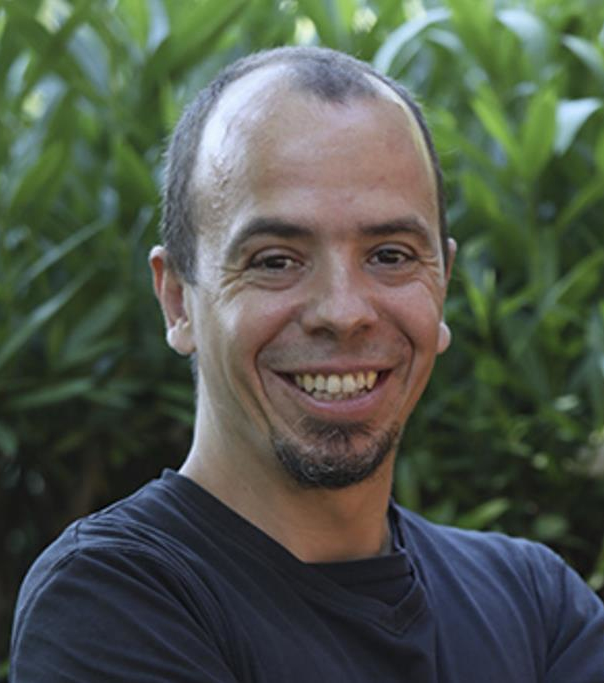
Prof. Francesco Maresca
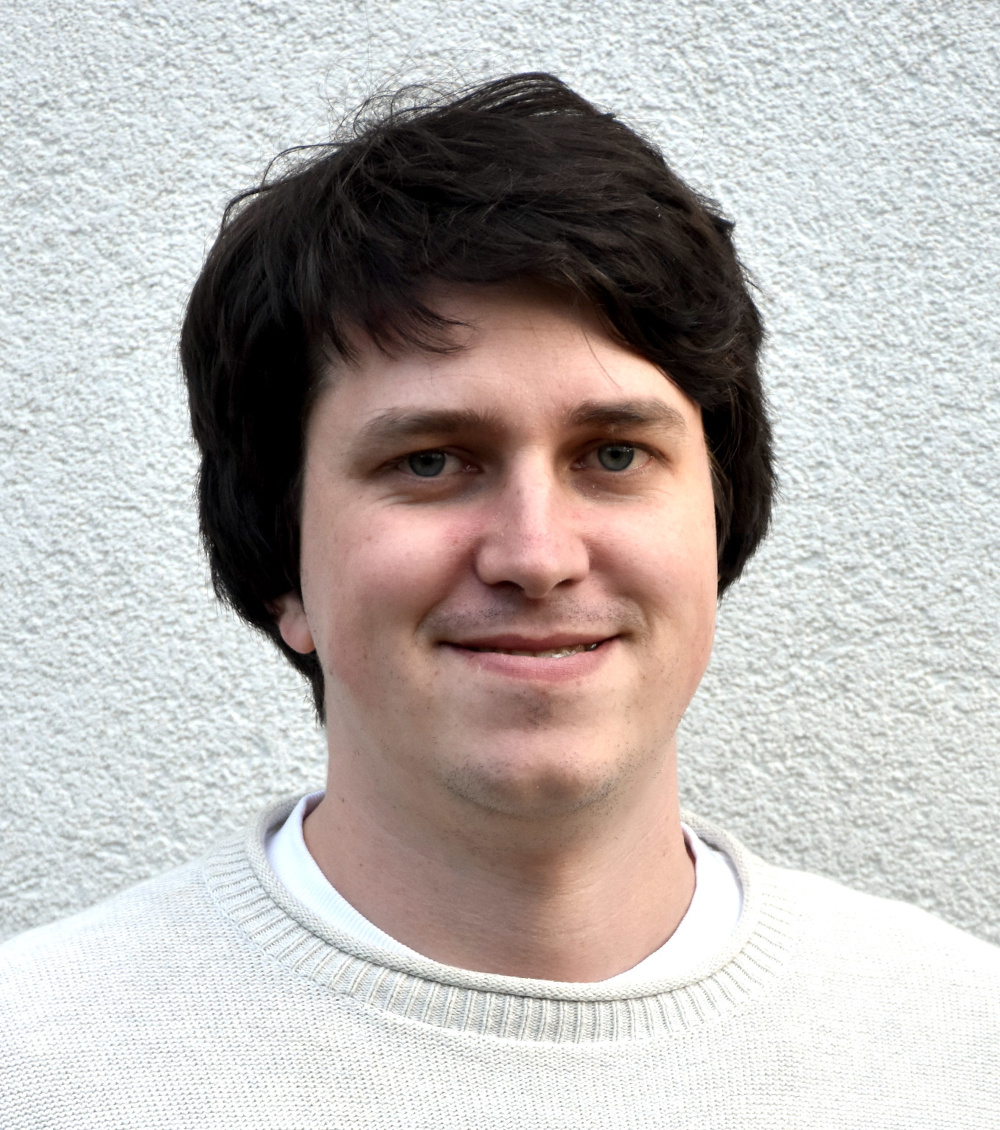
University of Groningen, Netherlands

KEYWORDS: Twinning, Shape Memory Alloys, NiTi, Atomistic modelling.

Shape memory alloys (SMAs) possess unique properties that make them suitable for various applications, including energy-efficient actuators, biomedical devices for minimally invasive surgery, and aircraft morphing. Their distinct behaviour involves the recovery of large strains under stress or thermal cycles, and it is well-known that microstructural twinning governs this exotic mechanism. However, it is crucial to understand the structure and mobility of twin systems in martensite microstructures to determine why specific twinning systems arise more frequently than others [1].

In this study [2,3], we demonstrate with the prototypical NiTi SMA that twin interface mobility can strongly influence twin emergence. We employ an integrated methodology that combines crystallographic theory [4], state-of-the-art atomistic modelling, topological model [5], and validation using high-resolution transmission electron micrographs [6]. Our atomistic model is based on a machine learning Atomic Cluster Expansion (ACE) interatomic potential trained on an extensive density functional theory (DFT) database, and tested on key benchmark properties of B2 and B19' phases in NiTi.

Our atomistic simulations reveal that twinning stress, rather than interfacial energy, determines the occurrence of twins. Moreover, our simulations address long-standing questions by explaining the atomistic structure and propagation mechanisms of twin interfaces at zero and finite temperatures, which established theories of martensite crystallography cannot explain. This mechanistic understanding of the role of interface mobility in twin formation can help predict variant selection and inform the design of SMAs with enhanced functional performance. Moreover, our predictions of twin interface energetics and kinetics can inform higher scale models of microstructure formation (e.g. phase-field).

ACKNOWLEDGEMENT: F. Maresca acknowledges the support of the Startup Budget of the Faculty of Science and Engineering at the University of Groningen.

  1. Nishida, M., Ohgi, H., et al. Acta Metall. et Mater. (1995) 43:1219–1227.
  2. La Rosa, L., and Maresca, F. Communications Mater. (2024) 5(1):142.
  3. Ţurcan, E., La Rosa, L., Fioravanti, D. and Maresca, F. (2026) Acta Mater. 303:121651
  4. Ball, J.M. and James, R.D. Arch. Ration. Mech. Anal. (1987) 100:13–52.
  5. Pond, R.C. and Hirth, J.P. Acta Mater. (2018) 151:229–242.
  6. Nishida, M., Yamauchi, K., et al. Acta Metall. et Mater. (1995) 43:1229–1234.


Francesco Maresca is Associate Professor in Engineering Mechanics and Materials Science, and Chair of the Mechanics of Materials research group at the Engineering and Technology Institute Groningen, Faculty of Science and Engineering of the University of Groningen, the Netherlands.

Francesco received both his Bachelor (2008) and Master (2011) in Civil Engineering cum laude, at the University of Florence (Italy). In 2015 he defended cum laude his PhD in Mechanical Engineering at the Eindhoven University of Technology (the Netherlands), working on Multi-scale modeling of plasticity and damage of lath martensite in multi-phase steels, under the supervision of professor Marc Geers and professor Varvara Kouznetsova. From 2015 to 2019, Francesco has been working as a postdoctoral researcher at EPFL (Switzerland), under the supervision of Professor William Curtin. During his postdoctoral activity, Francesco used both molecular dynamics and continuum modelling to develop a new theory of martensitic phase transitions in steels as well as a new theory of solute strengthening of dislocations in bcc alloys, from dilute to high entropy alloys.

Francesco's research aims at the fundamental, multi-scale understanding (from atomistics to continuum) of plasticity, phase transitions and failure in alloys, to develop predictive theories that can be used to guide materials design in uncharted regions of the material properties space.


Session TS10:  Micromechanics of heterogeneous and multi-component materials

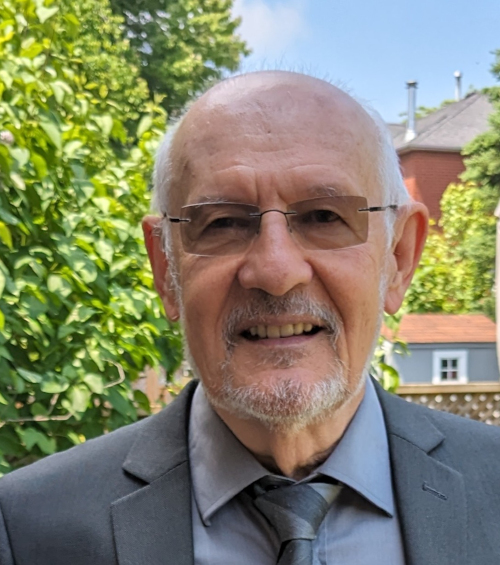
Prof. Bernhard A. Schrefler

University of Padua, Italy

Classical fracture mechanics predicts an upper bound on crack propagation speed, typically the Rayleigh wave speed for mode I fractures and the shear wave speed for mode II ruptures. Beyond these limits, tensile and shear fracture are traditionally considered energetically forbidden. However, experimental observations, field evidence from large earthquakes, and recent numerical studies increasingly demonstrate the existence of sub-, inter-, and supershear rupture regimes. In this study, we investigate the dynamic propagation of mode I and mode II fractures in dry and fluid-saturated media using multiple numerical frameworks, including the Extended FEM (XFEM), peridynamics (PD), and hybrid FEM/PD formulations.

For mode I fracture, simulations reveal a systematic transition in fracture behavior with increasing mechanical or hydraulic loading. Crack propagation evolves from smooth steady growth to stepwise regime, and ultimately to previously undocumented forerunning characterized by the nucleation of cracks ahead of the main tip. This progression is observed in both dry and saturated porous media, under mechanical loading and fluid injection. Notably, forerunning is shown to occur not only at supershear speeds but also under subsonic crack advance, as demonstrated in a beam on an elastic foundation subjected to sinusoidal loading. In saturated media, increased injection rates strongly promote the transition to stepwise and forerunning behavior, enabling crack speeds that exceed both shear and dilatational wave velocities.

For mode II fracture, we employ a newly developed 2-D hybrid FEM/PD model to study the transition from sub-Rayleigh to supershear rupture in dry and fluid-saturated media. The model reproduces laboratory observations of direct and indirect (mother-daughter crack or Burridge-Andrews) transitions and captures the formation of shear Mach cones. In fluidsaturated media, poroelastic coupling near the rupture front favors direct transitions to supershear fracturing, even in the absence of daughter cracks.

The consistency of these results across distinct numerical methods and constitutive descriptions supports the robustness of supersonic fracture and rupture in both tensile and shear modes. The findings have direct implications for earthquake dynamics, fluid-rich fault zones, and geophysical processes involving rapid fracture acceleration (slab tearing, volcanic systems).


Prof. Bernhard Schrefler, educated at the University of Padua (MSc), and at the University of Wales (PhD and DSc), Professor (1980-2013) and currently Professor emeritus at the University of Padua, Affiliated Professor at the Institute of Academic Medicine, Houston, TX and Hans Fischer Senior Fellow Alumnus of the Institute for Advanced Study, Technical University of Munich. Honorary Fellow of the University of Swansea, Honorary Professor of the Dalian University of Technology, and Fellow of IACM (International Association for Computational Mechanics). Knighted by the French Republic in the Order of Academic Palms. Five honorary doctorates (St. Petersburg State Technical University, the University of Technology of Lodz, the Leibniz University of Hannover, the Russian Academy of Sciences, and the Ecole Normale Supérieure at Cachan); Biot, Euler, Gauss-Newton, Zienkiewicz Medals; Computational Mechanics and IACM Awards, ICCES Lifetime Achievement Award, INTERPORE Lifetime Honorary Membership Award, Fry International Sustainability Award. Member of the Pre-Selection Committee for the Nobel Sustainability Trust (NST) Awards (2023, 2024). He was inducted to the National (Italian) Academy of Sciences (“dei XL”), Galileian Accademy, Istituto Veneto and Istituto Lombardo di Scienze, Lettere ed Arti.

Professor Schrefler's research interests are in porous media mechanics applied to geomaterials, such as rocks, concrete and bricks, environmental geomechanics, soil mechanics and reservoir engineering; in bio-medical engineering; in structural and materials engineering; and in thermomechanical problems in controlled thermonuclear fusion technology.


Session TS11:  Multiphysics and coupled problems

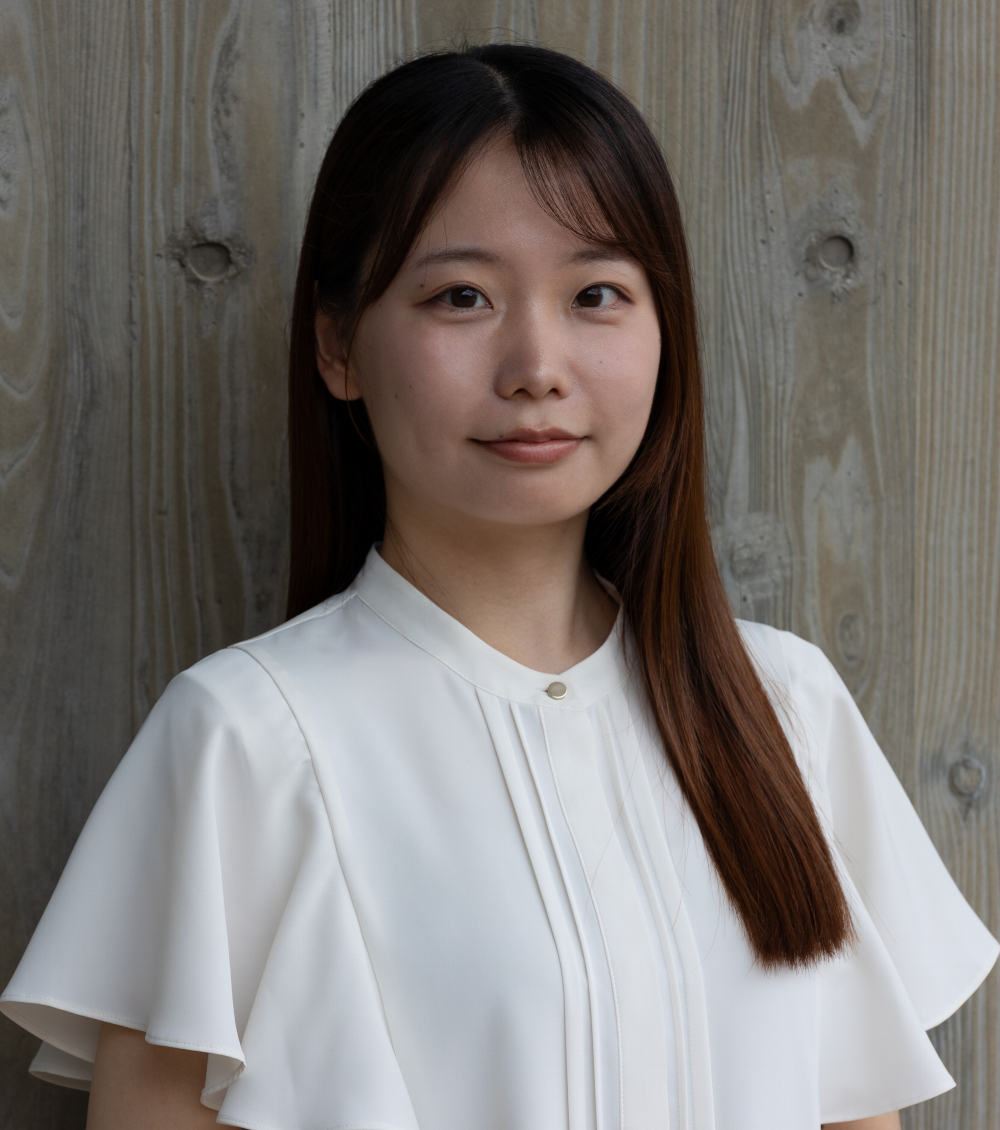
Prof. Laurence Brassart

University of Oxford, UK

KEYWORDS: Hydrolysis, Reaction, Diffusion, Viscoplasticity, Constitutive modelling.

Biodegradable polymers are materials designed to degrade and ultimately disappear after having completed their structural function. They are increasingly developed for engineering and biomedical applications, where simultaneous control over mechanical performance and degradation behaviour is critical. Many biodegradable polymers primarily degrade via hydrolysis, in which water molecules react with susceptible backbone bonds (e.g. esters), leading to chain scission. Chain scission in turn impacts the thermo-mechanical properties and causes mass loss. Conversely, mechanical stress can also impact the degradation kinetics [1].

In this talk, I will describe our recent experimental and modelling efforts to investigate the coupled chemo-mechanical behaviour of various degradable polymer systems in aqueous environments, including glassy polymers, semi-crystalline polymers, and biodegradable hydrogels. In particular, I will present a constitutive modelling framework for amorphous polymers, incorporating a mechanistic description of the chain scission process and its influence on the elasto-viscoplastic behaviour through the concept of effective temperature [2, 3]. We show that the behaviour of wet, degraded polymer can be accurately captured by evaluating the response of the dry, undegraded polymer evaluated at an elevated temperature and reflecting the reduction in glass transition temperature due to chain scission and water uptake.

ACKNOWLEDGEMENT: This research is supported by a Future Leaders Fellowship of UK Research and Innovation (MR/W006995/1).

  1. H. Chen, Z. Pan, G.S. Sulley, C.K. Williams, L. Brassart, Polym. Degrad. Stab. 243, 111751, 2026. https://doi.org/10.1016/j.polymdegradstab.2025.111751
  2. Z. Pan, L. Brassart, Acta Biomater. 167, 361–373, 2023. https://doi.org/10.1016/j.actbio.2023.06.021
  3. Z. Pan, H. Chen, L. Brassart, Int. J. Plasticity 178, 103996, 2024. https://doi.org/10.1016/j.ijplas.2024.103996


Laurence Brassart is an Associate Professor in the Department of Engineering Science at the University of Oxford. She received her PhD in Engineering Sciences from the University of Louvain in 2011. She then successively held postdoctoral positions at Harvard University and the University of Louvain. From 2015 to 2019, she was a Senior Lecturer in the Department of Materials Science and Engineering at Monash University, Australia. She is the recipient of an EPSRC New Investigator Award (2021) and a UKRI Future Leaders Fellowship (2022). Her research focuses on the development of micromechanical and constitutive modelling approaches for engineering materials, including polymers, composites, soft materials, and energy materials, with emphasis on multiscale and multiphysics aspects.


Session TS13:  Plasticity, damage and fracture mechanics

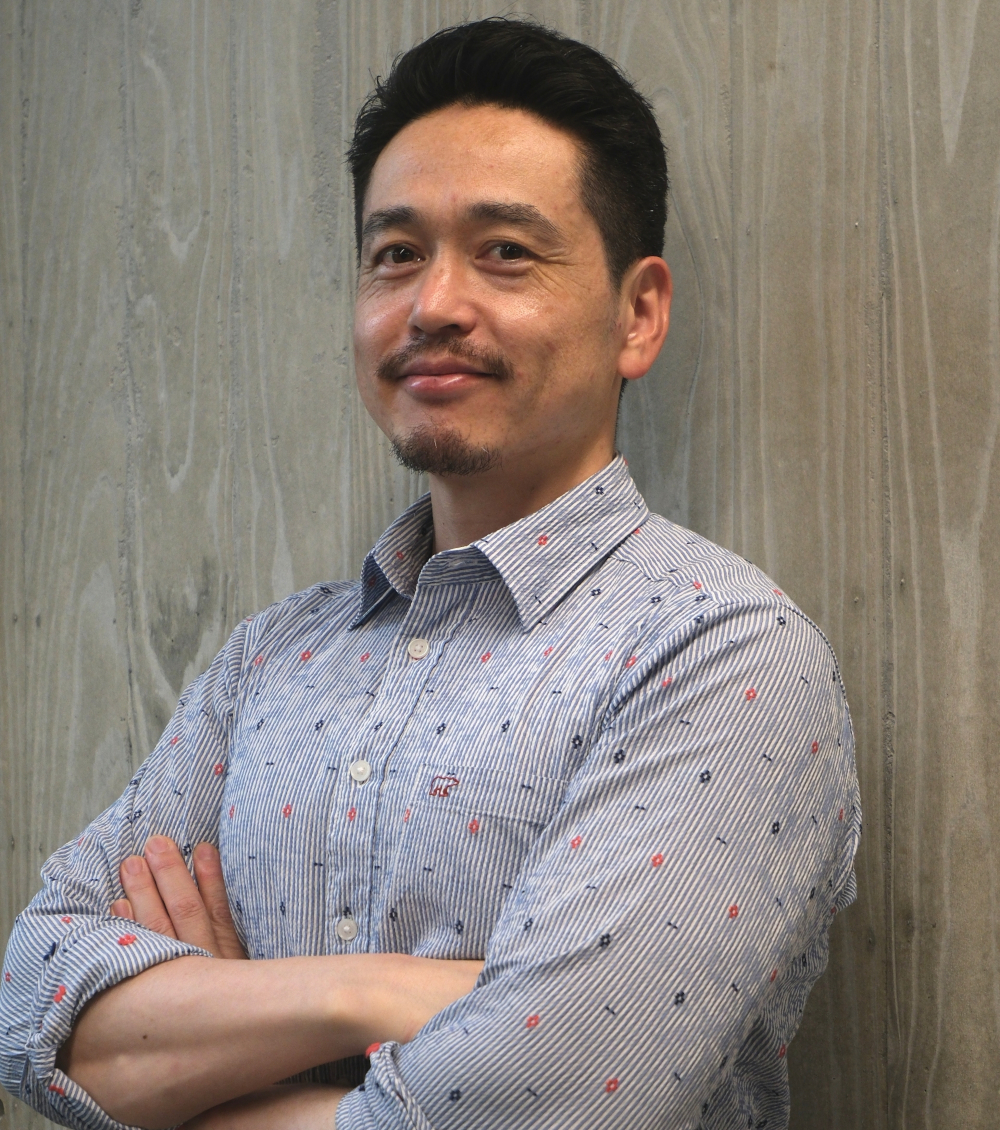
Prof. Jean-Baptiste Leblond

Sorbonne Université, France

KEYWORDS: 3D elastic body, arbitrary crack, out-of-plane perturbation, extended Bueckner-Rice theory, mixed-mode propagation.

The aim of this work is to propose a new, simple and efficient method for solving problems of 3D elastic bodies containing cracks slightly perturbed out of their original plane or surface. It is divided into three parts.

We begin, in a first part, by defining a suitable extension of Bueckner-Rice's theory of 3D weight functions. Rice (1985, 1989)'s re-formulation of Bueckner (1987)'s theory provided the first-order variation of the elastic fields (displacements, strains, stresses) arising from an in-plane or tangential perturbation of the crack front, for an arbitrary crack in an arbitrary body. This result is extended here to arbitrary geometric perturbations of the crack front and surface, including an out-of-plane or normal component to the crack surface. The basis of the treatment is a new, general formula providing the variation of the total energy of the body arising from such an arbitrary crack perturbation. This formula is obtained by adapting and extending reasonings and results of deLorenzi (1982) and Destuynder et al. (1983). It is then used to derive the first-order expression of the full displacement field everywhere in the body. The reasoning here basically follows and extends that in the works of Rice (1985, 1989), which was limited to in-plane or tangential perturbations of the crack front.

In a second part, we illustrate the possible use of the formalism thus defined for the treatment of elastic problems of out-of-plane or out-of-surface crack perturbations. This is done by considering the simplest possible case of out-of-plane perturbation of a semi-infinite plane crack embedded in some infinite body. This problem was solved by Movchan et al. (1998), using an elaborate method specific of the special, infinite geometry considered. In constrast, the method of solution proposed here is general and potentially applicable to any cracked geometry. The derivation involves two steps:

  1. In the general formula providing the variation of the displacement at any point of the body, we let this point of observation go to an arbitrary point on the crack surface, so as to get the variation of the displacement discontinuity there.
  2. In the formula thus obtained, we let the point of observation on the crack surface go to some arbitrary point on the crack front, so as to get the variations of the stress intensity factors there.

The results obtained in this way fully confirm, and somewhat extend, those derived by Movchan et al. (1998) using a more complex and specific method.

We finally expound, in a third part, the possible applications of these results to the theoretical prediction of crack paths in 3D bodies loaded in mixed-mode conditions. We especially focus on the interpretation of the experimentally well-documented out-of-plane instability of crack fronts loaded in mode I+III. Three cases are considered, in order of increasing complexity:

  1. That of a mode I+III loading, with a critical energy-release-rate Gc independent of mode-mixity.
  2. Again that of a mode I+III loading, but with a mode-mixity-dependent Gc .
  3. That of a general mixed-mode I+II+III loading, with a mode-mixity-dependent Gc .

The results suggest interesting interpretations of both old and recent experiments.


Born in 1957, Jean-Baptiste Leblond studied physics in Ecole Normale Superieure and Universite Pierre et Marie Curie, where he got his PhD in 1984. He then switched to mechanics of deformable solids. He became Associate Professor at Ecole Polytechnique in 1985, then Full Professor at Universite Pierre et Marie Curie (now part of Sorbonne Universite) in 1988. He was elected a Corresponding Member in 1997, and a full Member in 2005, of the Academie des Sciences, Section des Sciences Mecaniques et Informatiques. He became an Emeritus Professor at Sorbonne Universite in 2021, but continues his research activities in this new position. In addition, he has always pursued, since the beginning of his career, close cooperations with the mechanical and metallurgical industries.
He is best known for his works on transformation plasticity of metals and alloys, brittle fracture and ductile fracture, but his research interests also include phase transformations of steels, finite element simulations of thermomechanical treatments (welding, quenching, tempering), problems of nonlinear diffusion in solids (including internal oxidation of metals and alloys), and advanced numerical methods in solid mechanics.

Honors received:

3rd prize, International Mathematical Olympiads (Deutsche Demokratische Republik, 1974)
3rd prize, International Mathematical Olympiads (Bulgaria, 1975)
“Jeune Chercheur” Prize, DRET (1987)
Jean Mandel Prize, Ecole des Mines de Paris (1989)
Fourneyron Prize, Academie des Sciences (1993)
Junior Member of the Institut Universitaire de France (1993 – 1998)
Corresponding Member of the Academie des Sciences, Section des Sciences Mecaniques et Informatiques (1997 – 2005)
Member of the Academie des Technologies (since 2000)
Member of the Academie des Sciences, Section des Sciences Mecaniques et Informatiques (since 2005)
Senior Member of the Institut Universitaire de France (2007 – 2017)
Chevalier de l'Ordre des Palmes Academiques (since 2011)
Fellow of the European Mechanics Society (since 2012)
Koiter Medal of the American Society of Mechanical Engineers (ASME) (2025)